
Stainless steel racks and mobile racks for clean workspaces.
Stainless steel racks provide clean, durable storage for laboratories, cleanrooms, hospitals, CSSD, pharmaceutical plants, and other controlled areas. This guide helps buyers compare fixed, mobile, and custom rack options before requesting a quote.
Start with how the rack will be used.
The right rack is not just a shelf. It has to fit the room, the cleaning routine, the load, and the way people move through the space.
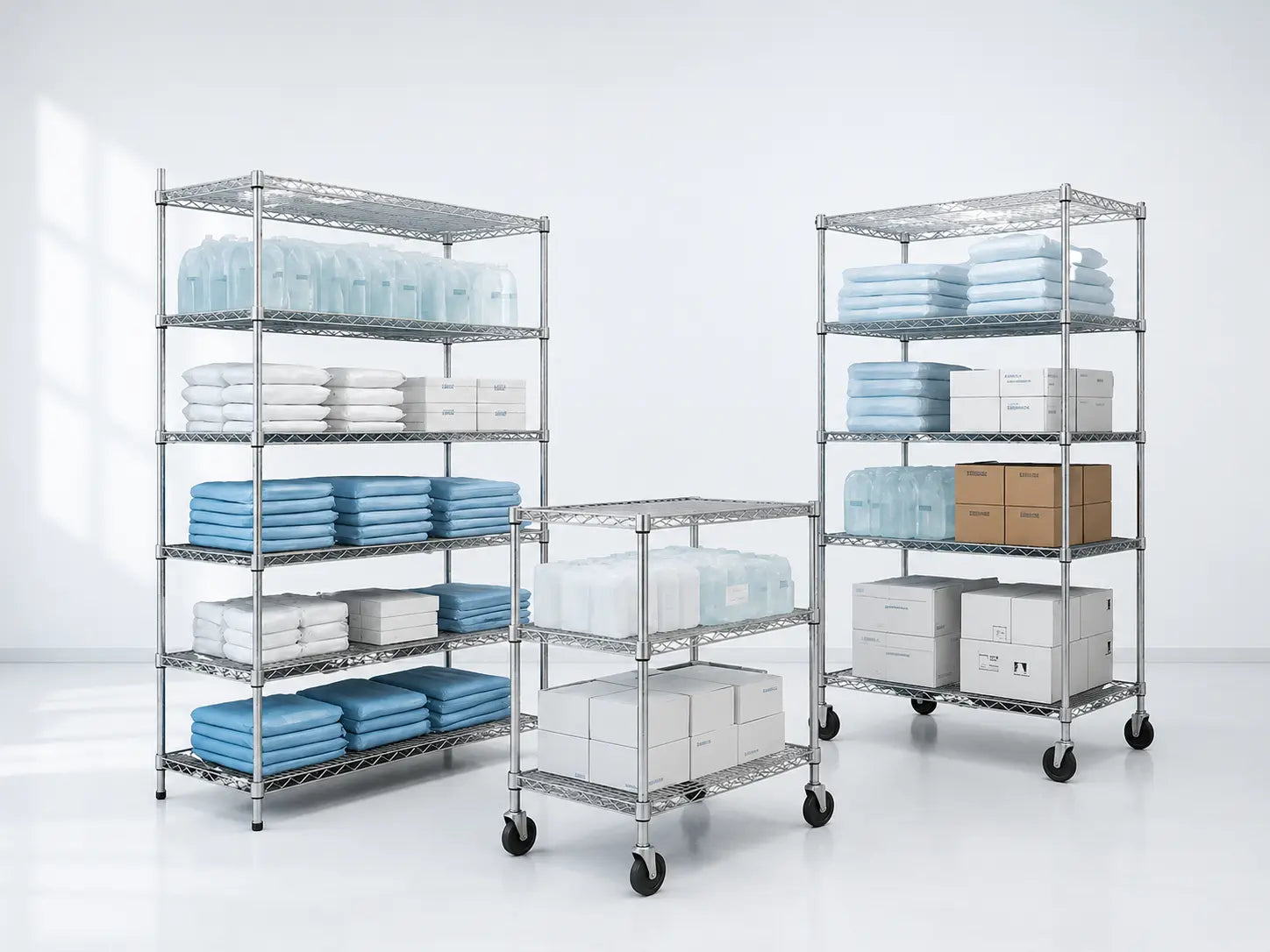
Storage
Use fixed stainless steel racks for glassware, trays, baskets, tools, clean supplies, packaging materials, or consumables that stay in one area.
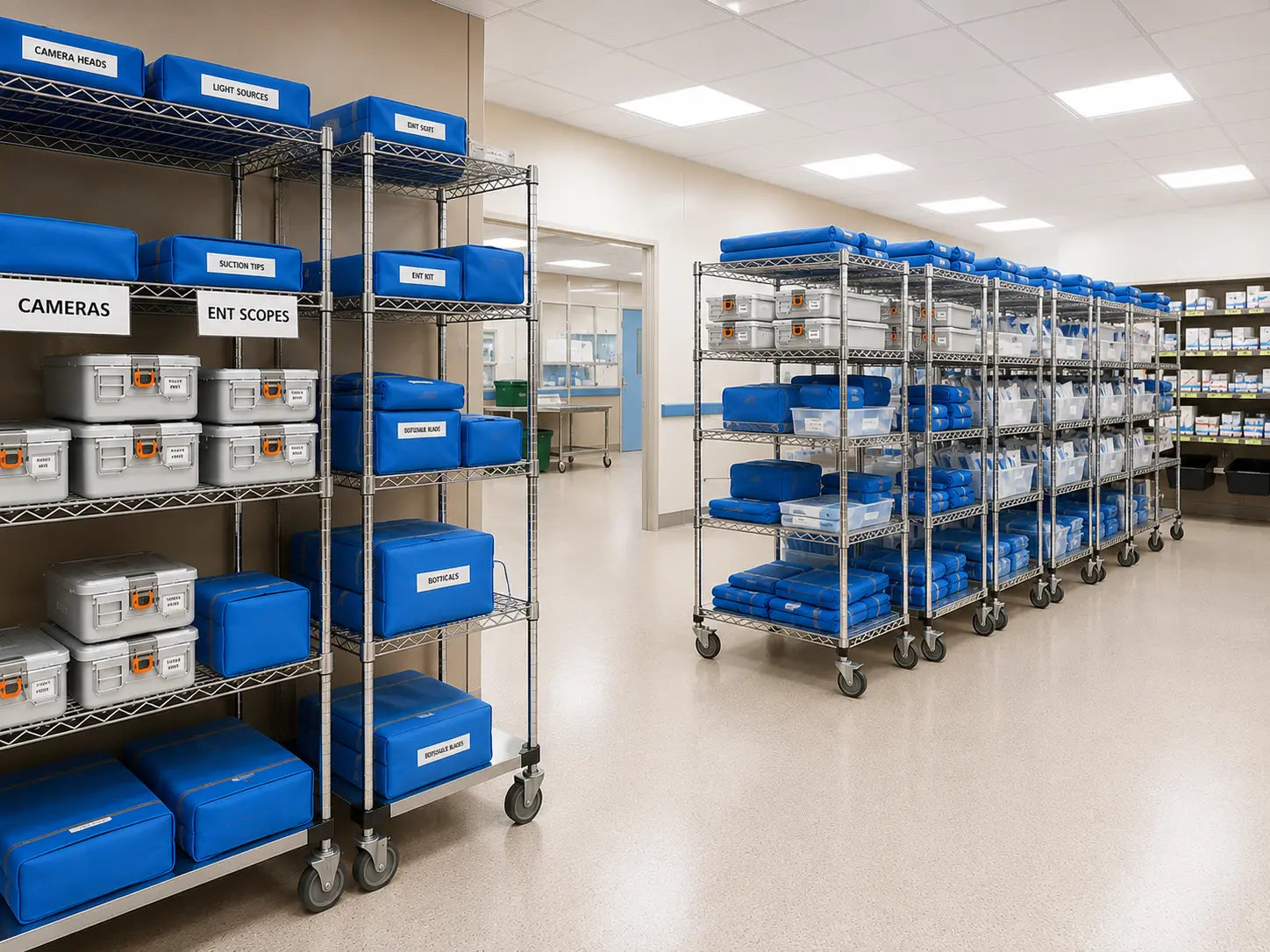
Transport
Use mobile racks when staff need to move items between preparation, washing, clean storage, production, or inspection areas.
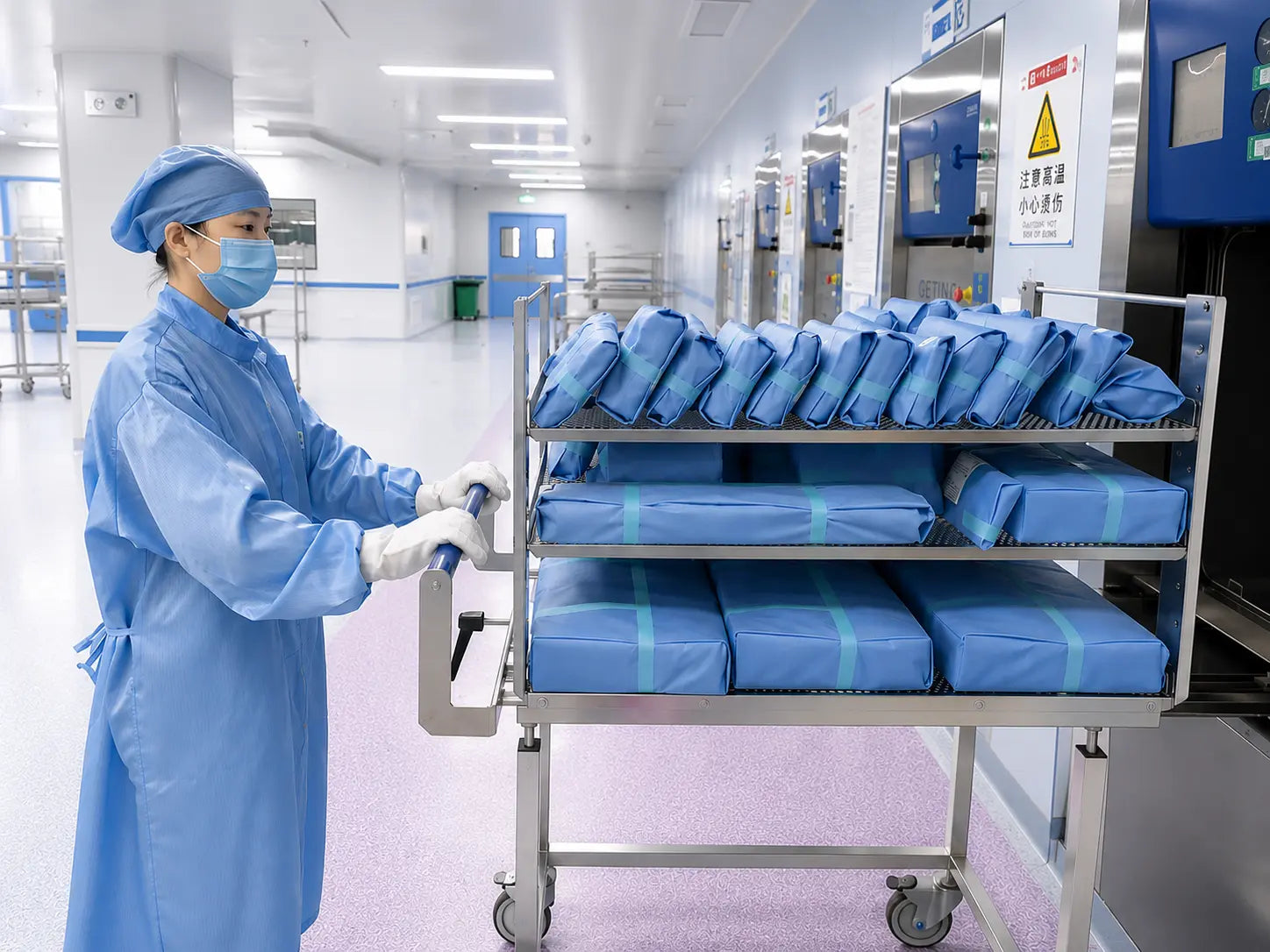
Clean control
For cleanrooms and healthcare spaces, look for smooth surfaces, easy access for wiping, strong welds, and simple shapes that do not trap dirt.
Easy to clean, hard to wear out.
In controlled environments, racks handle moisture, disinfectants, repeated cleaning, and daily bumps. Stainless steel is popular because it keeps its shape and stays practical for years.
Good resistance to corrosion.
304 stainless steel works for many standard spaces. 316L is a better fit for stronger chemicals, high humidity, or heavy washdown routines.
Simple cleaning.
Smooth shelves and clean welds make daily wiping easier and help reduce places where dust, moisture, or residue can collect.
Long service life.
A well-built rack can reduce replacement needs because it will not peel, rust through, or break down like lower-grade materials.
Project flexibility.
Shelf count, shelf spacing, guard rails, handles, casters, name plates, and barcode positions can be adjusted for the job.
Choose the rack style that matches the workflow.
These are the product paths buyers usually compare when planning storage or transfer in a controlled area.
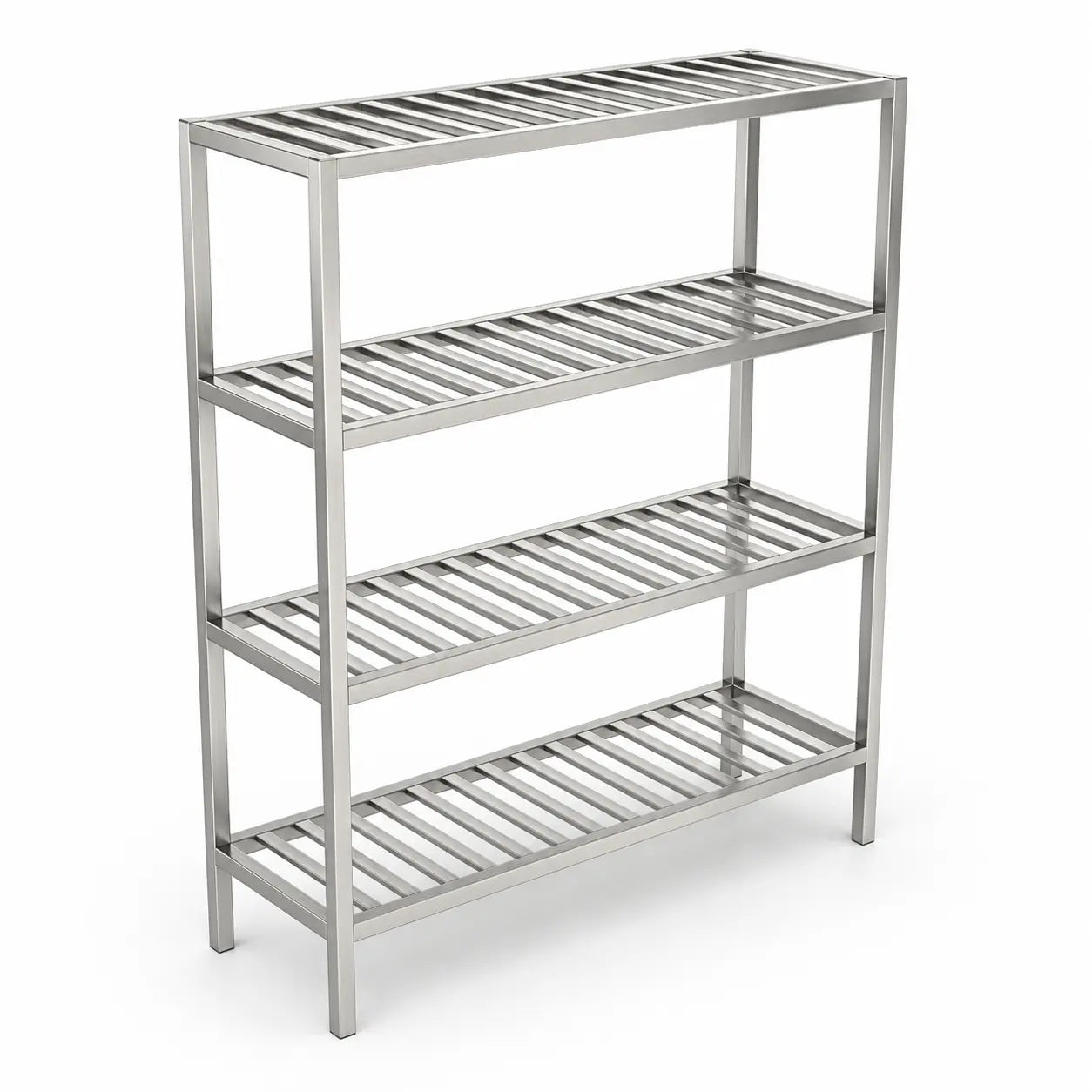
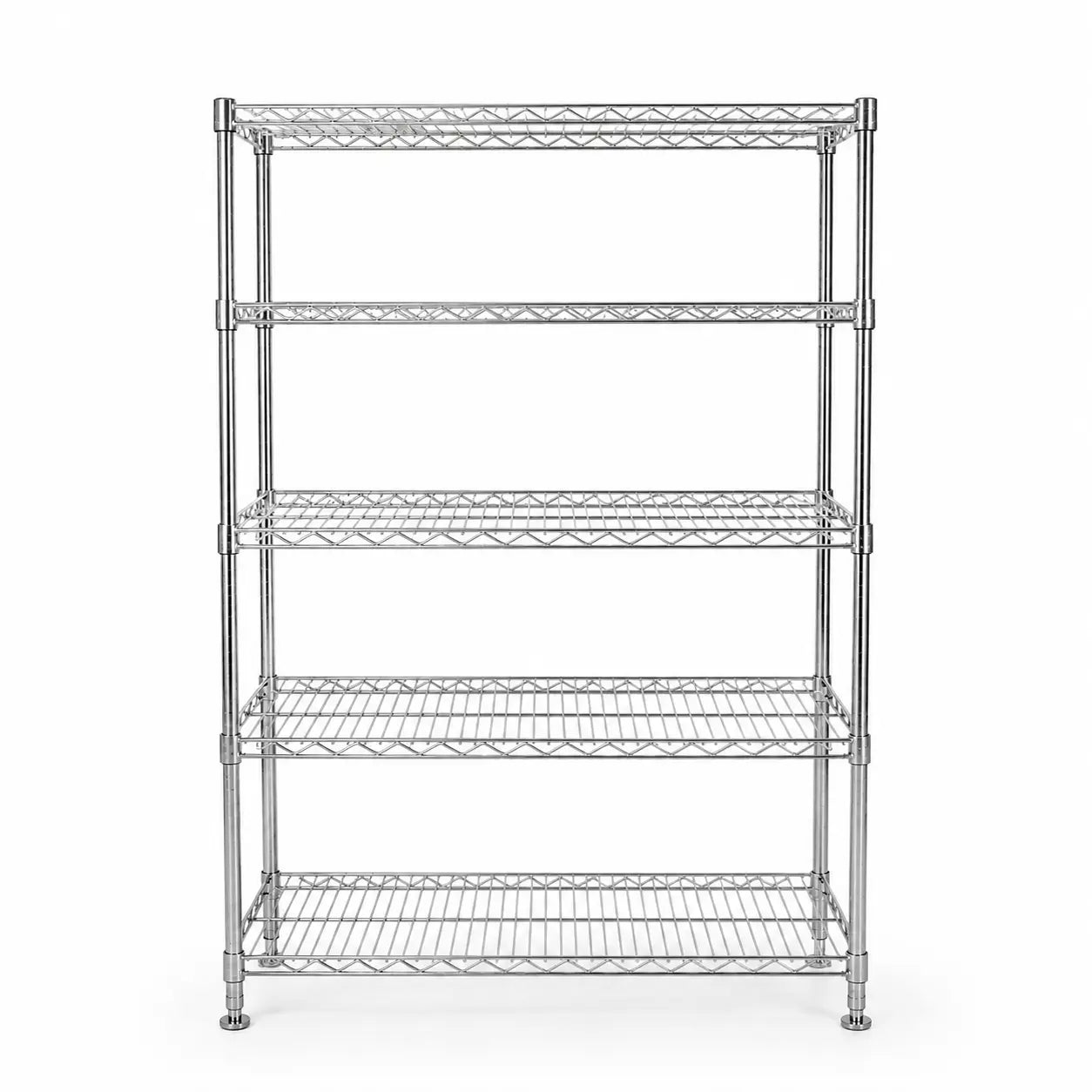
Fast access storage
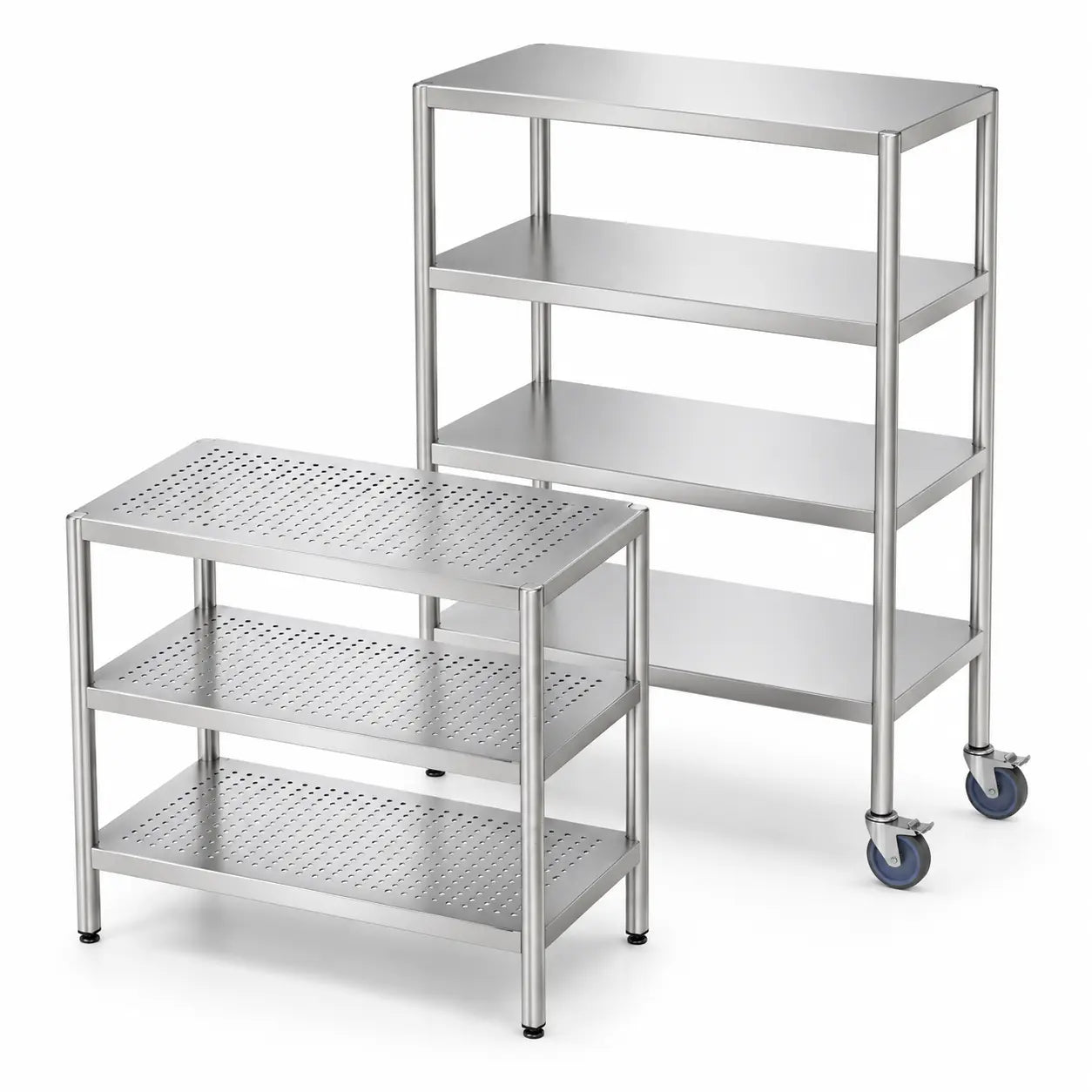
Good for supplies, containers, and daily-use items. Open shelves make it easy to see what is stored and clean around each level.
Airflow and visibility
Useful when airflow, drainage, or quick visual checks matter. Common in clean storage, hospitals, food labs, and sterile supply areas.
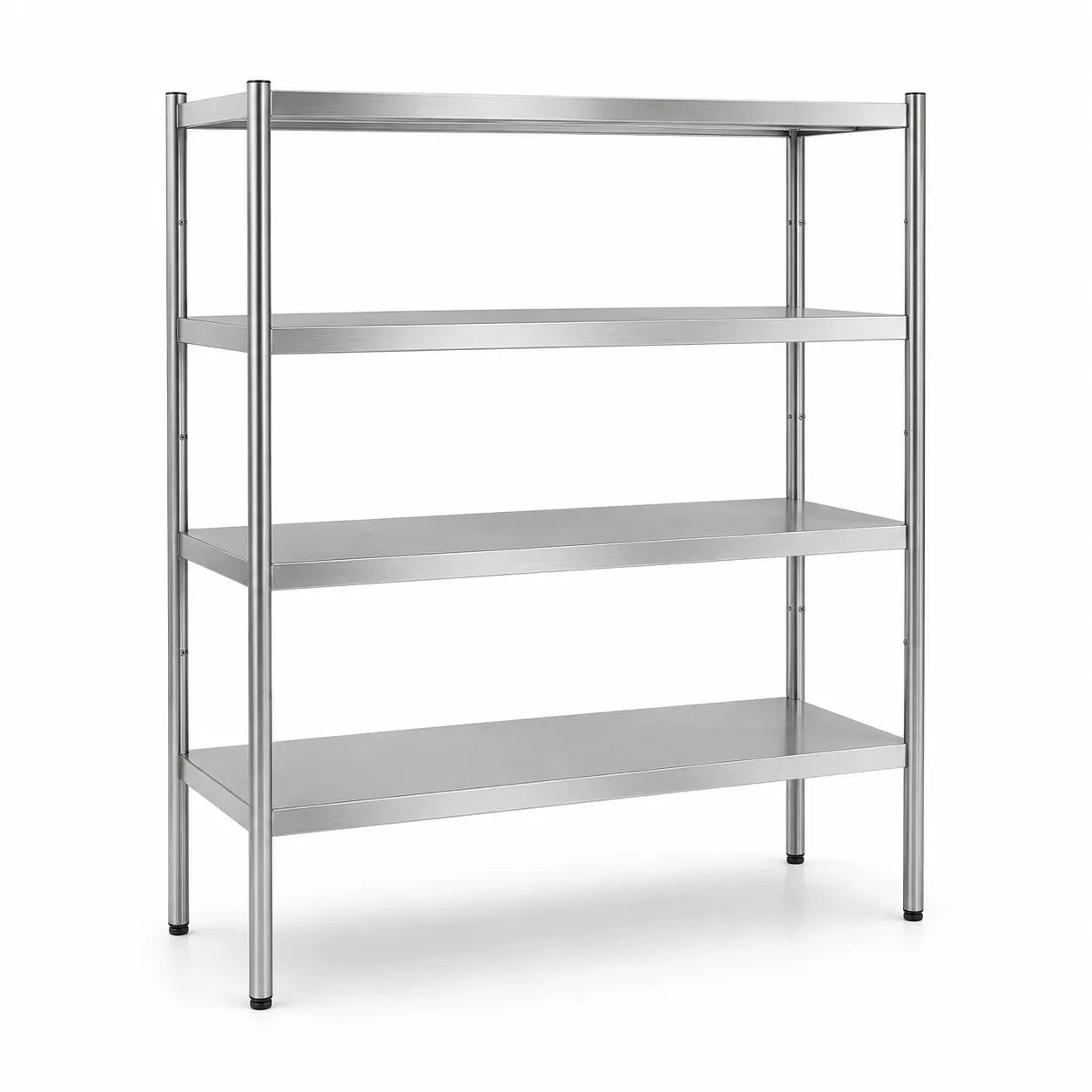
Stable support
Better for smaller items, instruments, trays, or products that need a flat surface. Easy to wipe when the finish is smooth.
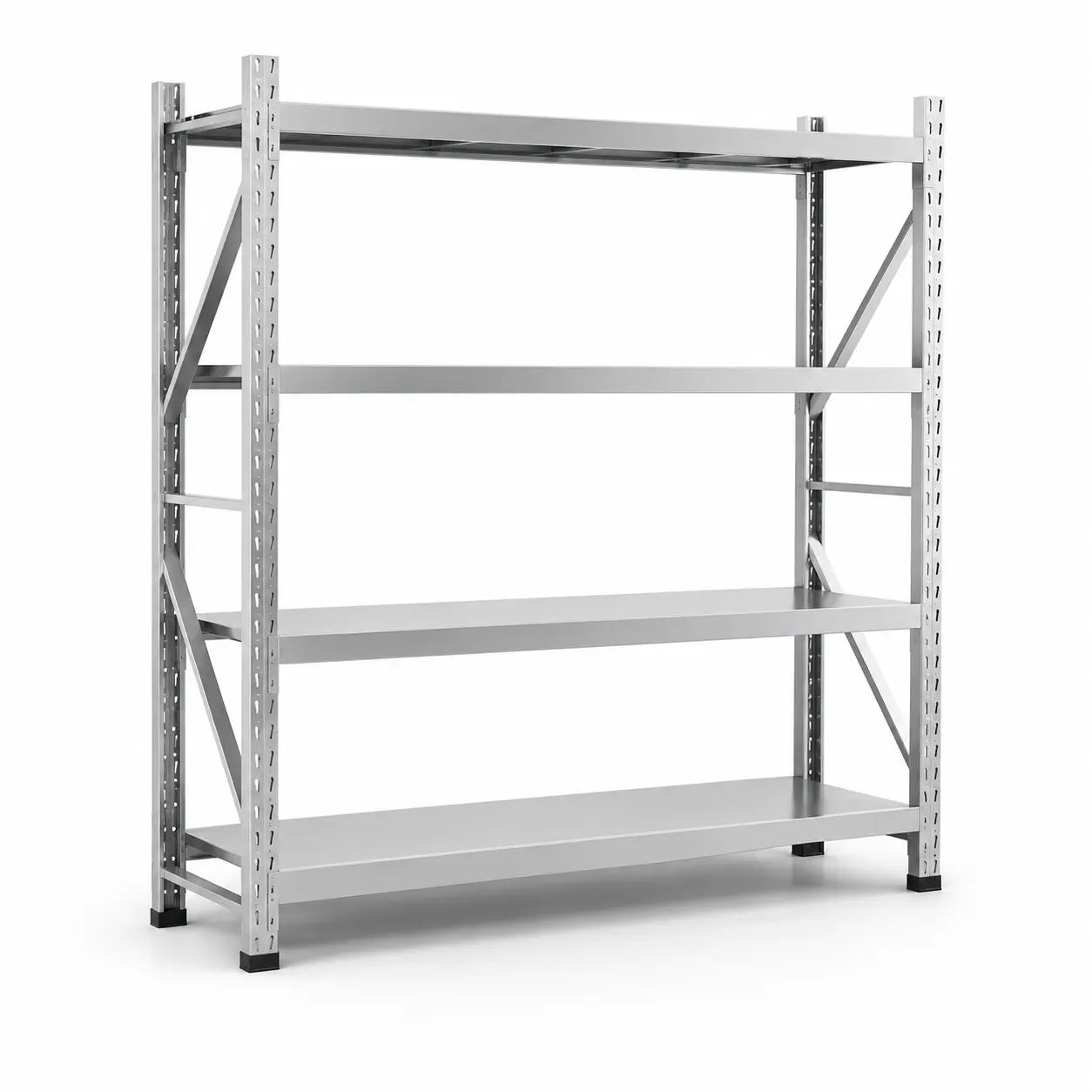
Flexible shelf height
A practical choice when containers, baskets, or package sizes change. It helps buyers avoid replacing racks as the room changes.
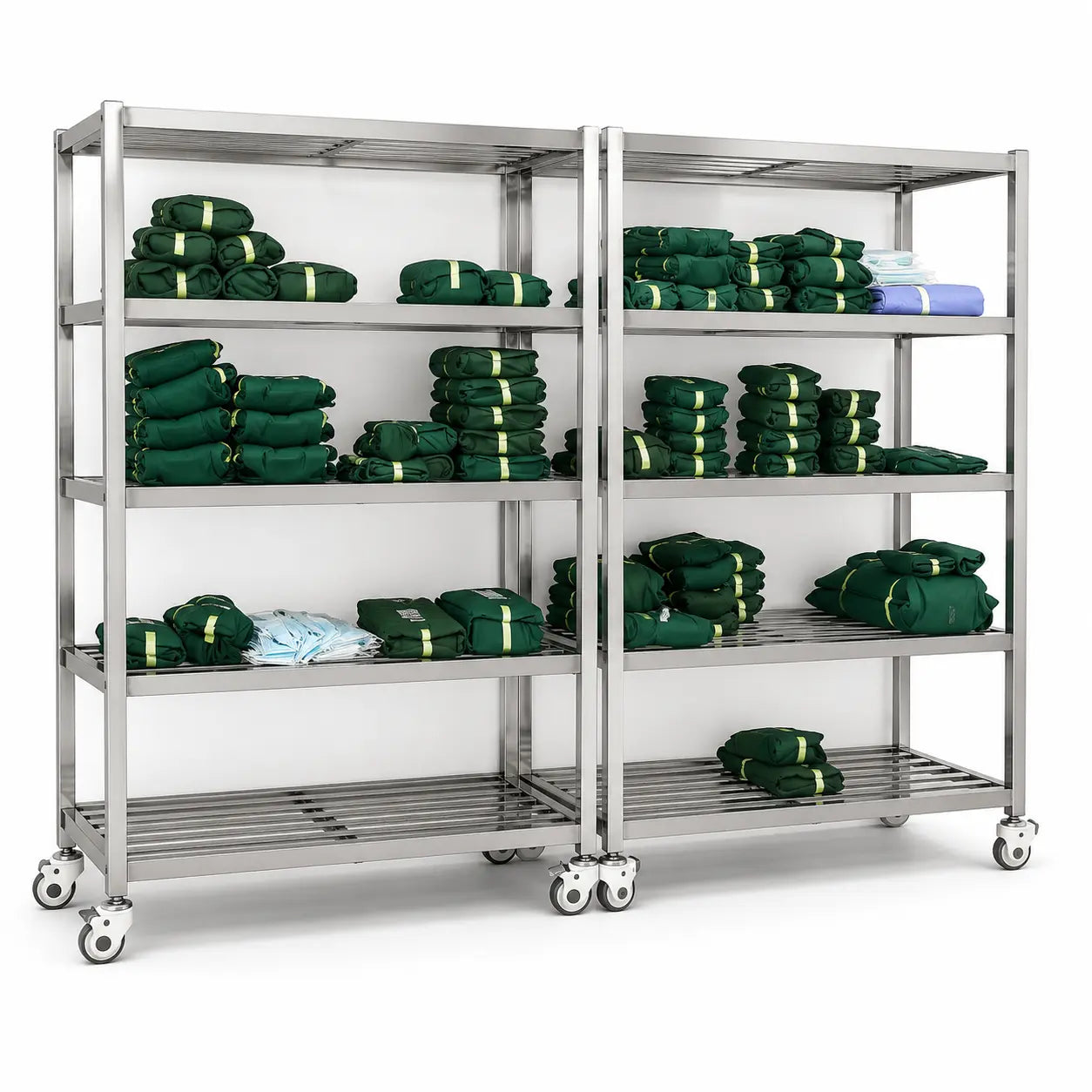
Move items safely
Add medical-grade casters, brakes, push handles, and guard rails for safer transport between rooms or work zones.
Fit the exact project
Choose custom when you need special dimensions, load capacity, tray slots, hooks, labels, drainage, or OEM/ODM production.
Built for places where cleanliness matters.
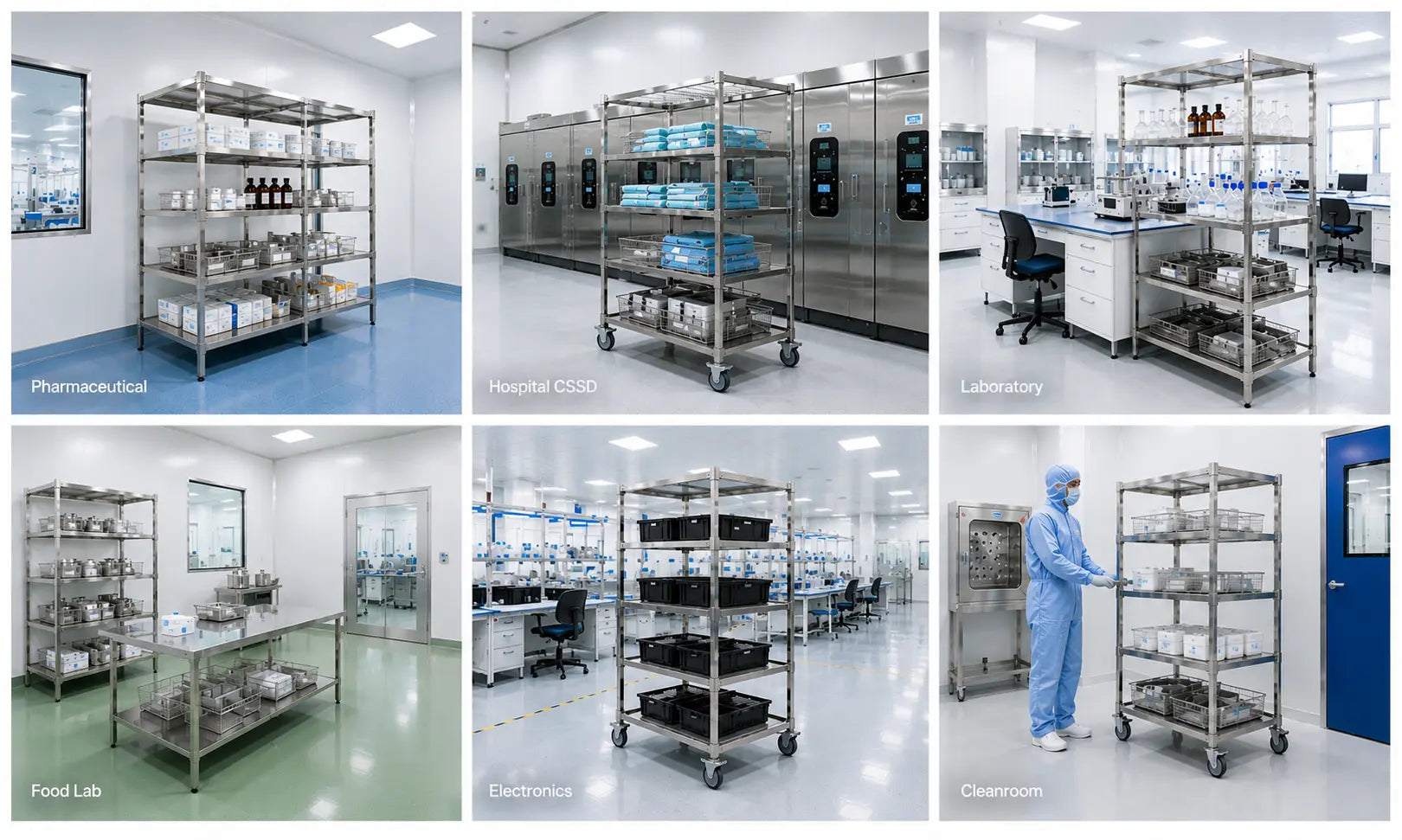
LABRACK stainless steel racks and mobile racks support organized storage, cleaner handling, and dependable movement across controlled facilities.
Batch and packaging areas
Store containers, packaging, tools, and supplies in a clean, visible, easy-to-manage layout.
Sterile supply workflows
Move trays, baskets, linen, and clean items between washing, packing, sterilization, and storage areas.
Daily lab organization
Keep glassware, instruments, samples, and consumables easy to reach without adding clutter.
Washable storage
Use stainless steel racks where moisture, cleaning agents, and regular inspection are part of the job.
Controlled handling
Support clean storage and transfer for parts, tools, and work-in-process items in controlled spaces.
Simple, wipeable design
Choose smooth structures and practical details that support cleanroom routines and easy inspection.
What to prepare before asking for a rack quote.
A quote gets faster and more accurate when the buyer sends a few clear details at the beginning.
Pick fixed or mobile.
Tell us if the rack will stay in one spot or move between rooms. For mobile racks, note brake and wheel needs.
Share dimensions.
Include length, width, height, shelf count, shelf spacing, and the size of trays or containers.
Confirm load and room.
List maximum load per shelf, cleaning routine, material grade, and whether the area is lab, cleanroom, CSSD, food, or pharma.
Add drawings or photos.
CAD files, sketches, samples, or photos help confirm structure, guard rails, hooks, labels, and custom details.
Need a rack built around your project?
Send dimensions, quantity, material grade, room use, load needs, and any drawing. LABRACK supports standard racks, mobile racks, OEM, ODM, and custom fabrication.
Common questions from buyers.
Short answers for purchasing teams, lab managers, cleanroom contractors, hospitals, and project buyers.
What is the difference between a fixed rack and a mobile rack?
A fixed rack is best for stable storage in one area. A mobile rack adds casters and handles so staff can move items safely between rooms or work zones.
Should I choose 304 or 316L stainless steel?
304 is a practical choice for many general lab, hospital, and clean storage areas. 316L is better for stronger chemicals, frequent washdowns, high humidity, or stricter cleanroom use.
What caster details matter for a mobile rack?
Check load capacity, brake type, wheel material, noise level, floor protection, and whether the wheel must handle wet or chemical-cleaned areas.
Can LABRACK make custom rack sizes?
Yes. LABRACK can make racks based on drawings, samples, room size, shelf spacing, tray dimensions, load needs, and project requirements.
What information helps get a faster quote?
Send the rack type, size, shelf count, load per shelf, material grade, caster needs, room application, quantity, drawings or photos, and target delivery time.
Where are stainless steel racks commonly used?
They are commonly used in cleanrooms, laboratories, hospitals, CSSD, pharmaceutical plants, biotechnology facilities, food laboratories, electronics plants, and controlled storage areas.